Where the Sidewalk Tells a Story
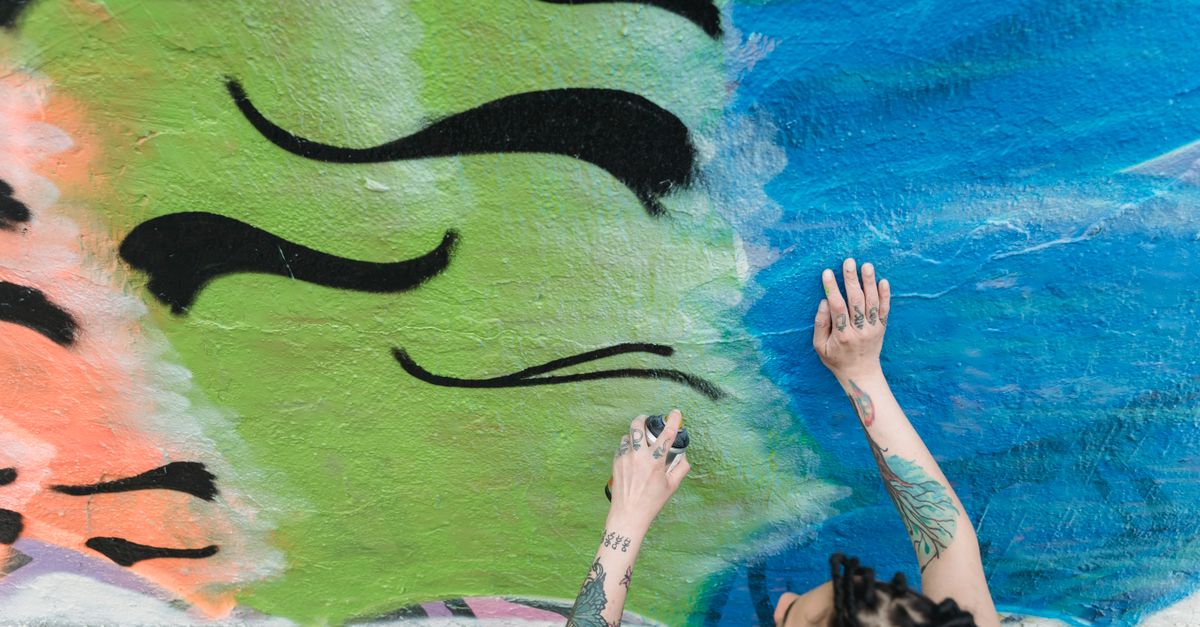
Walk slowly through Pioneer Park in downtown Carrollton and you might find yourself stopping not to admire a sculpture or a mural on a wall, but something much closer to the ground. Painted across the gray concrete faces of storm drain inlets, bright fish swim past cattails, turtles navigate streams, and bold text reminds passersby that what goes into a drain does not disappear — it travels, untreated, directly into local creeks.
This is the Carrollton Storm Drain Art Walk, a self-guided experience that has taken shape over three rounds of a city-run contest, and now, with applications open for a fourth installment, Carrollton is looking for its next wave of artists to add their voices to the pavement.
A Practical Problem Given a Creative Solution
Storm drains are easy to ignore. They sit at the edges of curbs and parking lots, doing invisible work, collecting rainfall as it sheets across streets and sidewalks. What most residents do not consider, however, is where that water goes. Unlike water that enters the sanitary sewer system and moves on to a treatment facility, stormwater flows directly into the nearest creek or waterway — carrying with it whatever it picks up along the way. Motor oil, lawn chemicals, cigarette debris, and cooking grease are among the most common pollutants that hitch a ride through those unremarkable metal grates.
Carrollton’s environmental quality team recognized that education campaigns and posted signage can only go so far. The storm drain art initiative approaches the same goal from a different angle: make the drain itself impossible to overlook. When a drain inlet features a painted heron standing in clear water, a driver pulling into a parking spot near South Broadway Street is doing something they never would have done otherwise — pausing to think about where runoff goes.
The artwork does not just decorate infrastructure. It reframes it as something worth protecting.
What the Contest Asks of Artists
For the fourth edition of the contest, the city is accepting applications from artists interested in painting storm drain inlets along South Broadway Street in downtown Carrollton. Three artists will be selected. The designs they submit are expected to convey water conservation themes — a parameter that turns out to be less limiting than it might sound. Previous rounds produced work spanning a wide range of visual styles and subjects, all connected by that central thread of environmental stewardship.
The storm drain art contest page on the city’s official website carries application details for artists ready to put their work on a very different kind of canvas.
The location is not incidental. South Broadway Street runs through the heart of historic downtown Carrollton, an area that has seen steady foot traffic increase in recent years and sits within easy reach of the Downtown Carrollton DART station, which now serves both the Green Line and the Silver Line commuter rail corridor. An art installation here reaches residents, commuters, and visitors from across the region — the audience for an environmental message embedded at street level is wider than it might appear.
Pioneer Park as an Outdoor Gallery
The drains already completed in Pioneer Park represent what this program looks like in practice. They function simultaneously as stormwater infrastructure and as an outdoor gallery that requires no admission, no particular time of day, and no trip to a formal venue. Families walking through the park encounter them at child’s-eye level. Dog walkers notice them. Cyclists slow down. The images of animals and natural environments are not abstract or removed from daily experience — they depict the kind of landscapes that exist because water systems remain clean, the kind that disappear when they do not.
That proximity to the DART station matters in another way, too. Visitors arriving by rail to attend events in downtown Carrollton — the Festival at the Switchyard drew crowds to this same stretch of streets earlier this month — walk past these drains on their way to and from the platforms. Public art placed at transit-adjacent locations carries messages into communities well beyond the immediate neighborhood.
The Environmental Stakes Beneath the Surface
The stormwater pollution issue that underpins the contest is not abstract. The creeks and waterways that receive Carrollton’s runoff are part of a larger watershed, and the cumulative effect of pollutants entering through thousands of individual drain points is measurable in water quality outcomes downstream. Cooking grease, highlighted separately by Carrollton Public Works through its annual “Save the Drain” campaign running this November, is one of the most damaging and preventable contributors — it solidifies inside pipes and waterways, creating blockages and coating surfaces in ways that harm aquatic life.
The storm drain art program and the grease disposal campaign come from the same institutional understanding: behavioral change is slow, but environmental art and visible reminders create the kind of repeated, low-pressure exposure that shifts habits over time. A painted drain is a reminder that runs for years without anyone having to reprint a flyer.
Why This Moment Matters for Local Artists
For working artists in the Carrollton and broader DFW area, the contest offers something that purely gallery-based opportunities do not: permanence in public space, in a city that has visibly invested in its downtown identity. The selected artists will see their work installed along a street corridor that anchors one of the most active event zones in Carrollton, steps from businesses, restaurants, and civic gathering points.
It is also, by its nature, a commission tied to community purpose. The art does not exist to fill a wall in a private collection — it exists because the city determined that its storm drains were an underused opportunity to connect with residents on an environmental issue that matters.
Three artists. Three drain inlets. One stretch of South Broadway Street where the ground itself becomes the medium.
Applications are open now.