Why Is the City Painting Its Storm Drains
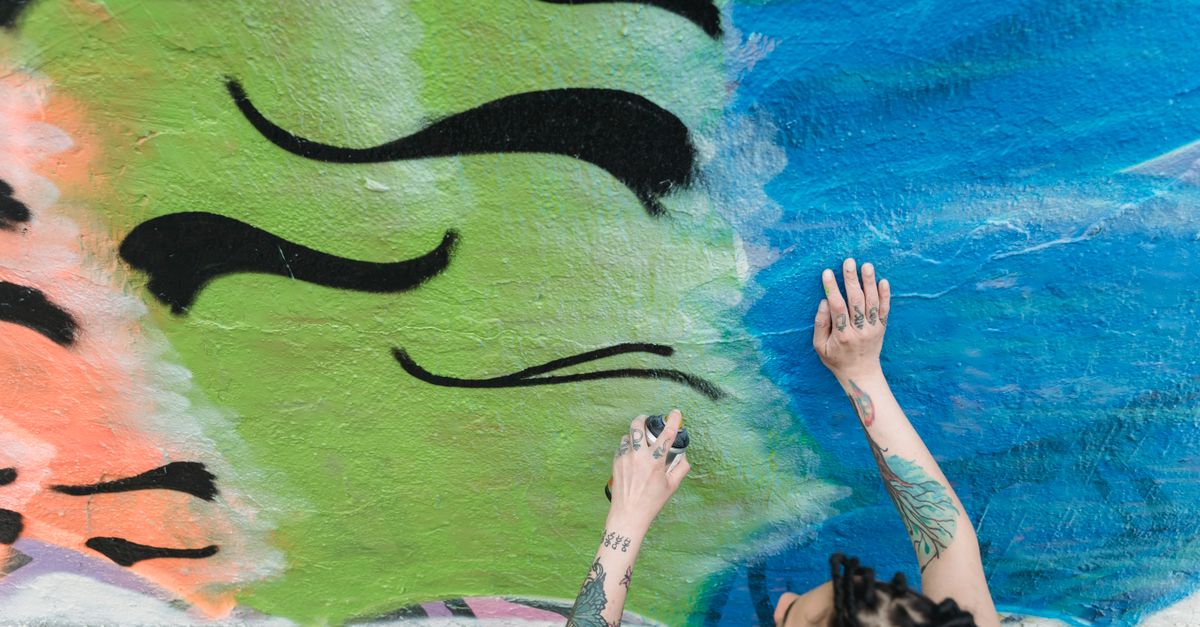
Most people walk past storm drain inlets without a second glance. For the City of Carrollton, that anonymity represents an opportunity. The city’s Fourth Storm Drain Art Contest, now accepting applications, is looking for three artists willing to transform those utilitarian concrete openings on South Broadway Street in Historic Downtown Carrollton into something worth stopping for.
The program is in its fourth iteration, which makes it one of the more quietly durable civic art initiatives in the city’s calendar. That longevity is worth examining. Public art programs tied to infrastructure are notoriously difficult to sustain — they require buy-in from multiple city departments, ongoing budget allocation, and a community willing to treat functional objects as aesthetic ones. That Carrollton has now run this contest four times suggests it has cleared all three hurdles.
What Does Water Conservation Have to Do With Art
The contest carries a specific conceptual constraint: submitted designs must convey themes of water conservation. That requirement is not incidental. Storm drain inlets are, by definition, part of the city’s stormwater management system. Water entering those drains flows — untreated — into local waterways. The design brief, in effect, asks artists to do what a signpost cannot: make the invisible relationship between street-level activity and downstream water quality feel immediate and personal.
This is a well-established strategy in municipal environmental communication. Studies of storm drain marking programs across American cities consistently find that visual cues near drains increase resident awareness of non-point source pollution. Carrollton’s approach goes further by commissioning original painted artwork rather than affixing prefabricated markers, which elevates the aesthetic ambition and, in turn, the likelihood that passersby actually engage with the message.
For artists, the constraint is a prompt, not a restriction. Water conservation is a broad enough theme to accommodate abstraction, illustration, or anything between — flowing forms, native wildlife, rainfall cycles, the visual language of drought. The South Broadway Street corridor, with its foot traffic from the Historic Downtown district, provides an audience that a gallery wall rarely guarantees.
Who Is This Contest For
The application is open, and the city has not publicly restricted eligibility to professional muralists or credentialed artists. That openness is deliberate. Community-facing public art programs that require formal credentials tend to reproduce the same pool of applicants; those that remain accessible to emerging artists, students, and skilled hobbyists tend to produce more unexpected and locally resonant work.
Carrollton’s demographic composition matters here. The city has a substantial population of residents with roots in cultures that carry strong traditions of decorative and functional art — traditions that are not always represented in formal gallery circuits but are precisely the kind of perspective that makes street-level public art feel genuinely of a place rather than installed in one. An open application process is the mechanism by which that breadth of talent enters consideration.
Three artists will ultimately be selected, meaning the South Broadway corridor will see three distinct interpretations of the same thematic brief placed in proximity to one another. That arrangement functions almost like a small outdoor exhibition — a walkable comparison of how different creative minds approach a shared constraint.
What Has the Program Produced Before
By its fourth year, the Storm Drain Art Contest has an accumulated body of work on Carrollton streets. Prior installations from earlier rounds of the contest remain part of the downtown visual environment, which means the program is quietly building a public collection. Each new cohort of three artists adds to that inventory without displacing what came before, creating a layered record of how the city has interpreted water conservation themes across different years and different hands.
That accumulation has civic value beyond aesthetics. It creates continuity of place — a subtle signal to residents and visitors alike that this is a community that has thought carefully, and repeatedly, about how its public spaces look and what they communicate. For a downtown district working to establish a distinct identity, that kind of consistent, program-driven investment in public art is infrastructure of a different but equally real kind.
How Does This Fit Into Downtown Carrollton’s Broader Trajectory
South Broadway Street is the spine of Historic Downtown Carrollton, and the choice to concentrate the storm drain installations there is not arbitrary. The corridor sees consistent foot traffic from the market events, dining establishments, and civic programming that have made the district a focus of the city’s revitalization efforts. A Holiday Pop Up Market is scheduled for 1024 S. Elm St. on November 21, and the city’s signature tree-lighting event, Santa on the Square, will draw crowds to 1106 S. Broadway St. on December 5.
The storm drain installations sit within that ecosystem. They are not a standalone gesture but part of a coherent if incremental strategy of making Downtown Carrollton a place where residents spend time by choice rather than necessity. Public art is one of the more cost-effective tools available for that purpose — the upfront investment in artist fees and materials pays dividends over years as the work remains in place, ages into the streetscape, and becomes part of how longtime residents describe the neighborhood to newcomers.
What Should Interested Artists Do Now
Applications for the Fourth Storm Drain Art Contest are open during November 2026. The city is the administering body, and prospective applicants should consult the official city resources for submission requirements, deadlines, and design specifications. Given that only three artists will be selected and the program’s track record suggests competitive interest, early submission is advisable.
For residents who do not paint but care about the outcome, the most useful thing they can do is share the opportunity within their networks — particularly with artists in the community who may not regularly monitor municipal program announcements. The quality of a public art program is ultimately a function of the quality and diversity of its applicant pool, and that pool is shaped by how widely the opportunity circulates before the deadline closes.