What Does a Facility This Large Actually Mean for a Single Sport?
When a building dedicated to one sport covers 111,325 square feet, the natural question is whether demand can match the ambition. At Pickler Universe, located at 2800 N Interstate 35E in Carrollton, the answer appears to be built right into the floor plan. The facility operates 24 amateur courts alongside two championship courts, a configuration that signals an intent to serve both the casual weekend player and the competitor chasing a ranking.
Pickleball’s growth across North Texas has been well-documented in sports trend reporting for the better part of five years, but the arrival of a single-sport indoor venue of this scale in Carrollton represents something more specific: a physical infrastructure investment in the community’s appetite for the game. Understanding what the facility actually offers — and how it is structured across different levels of play — helps clarify why it matters to Carrollton residents beyond the headline square footage.
How Is the Facility Organized for Different Skill Levels?
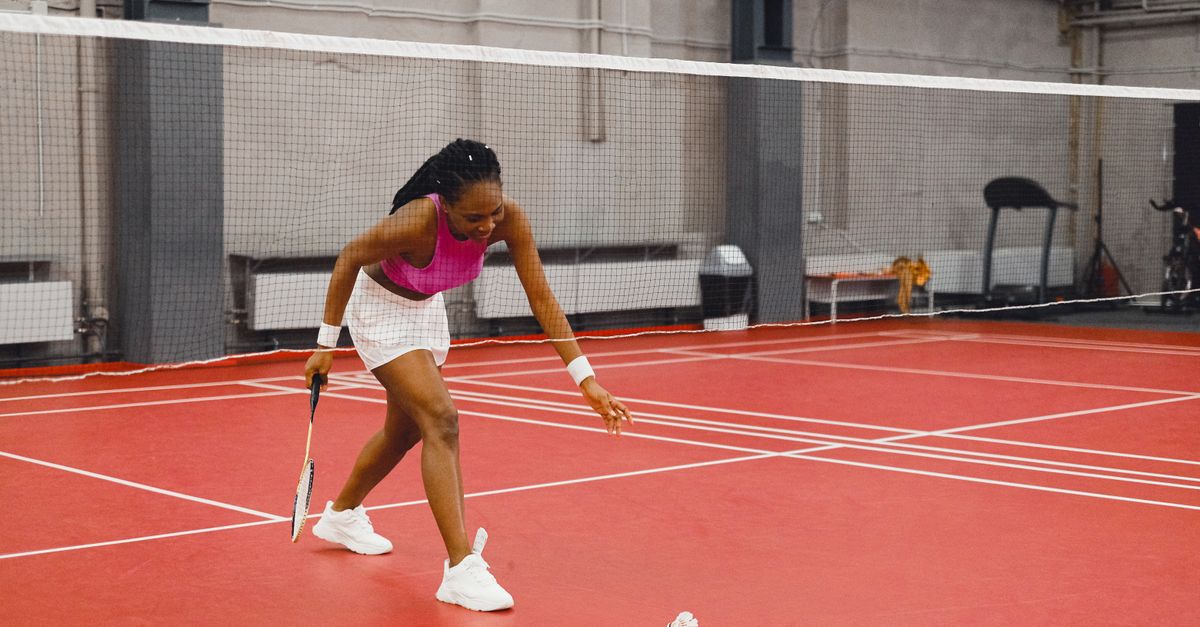
The distinction between 24 amateur courts and two championship courts is more than a naming convention. Championship courts are typically built to accommodate spectators, feature higher-grade flooring, and are used for sanctioned tournament play — the kind of competition where results are tracked and players accumulate official standings. Amateur courts, by contrast, are oriented toward open play, instruction, and league matches where the primary currency is participation rather than ranking points.
Pickler Universe offers all of these formats simultaneously. Open play sessions allow drop-in participants to show up without a scheduled opponent and find a game, which is particularly relevant for newer players still building consistency. Private instruction is available for those who want structured coaching rather than the informal mentorship that often happens during open play. Casual leagues create a middle tier — organized enough to track wins and losses over a season, but without the pressure of sanctioned competition.
For players at the other end of the spectrum, sanctioned tournaments run throughout the summer. These events draw participants from across the region, which means Carrollton’s facility is not operating solely as a neighborhood amenity. It is functioning as a regional destination, pulling competitive players from a broader geographic area into the city.
Why Does the Indoor Format Matter in a Texas Summer?
This is a practical question with a straightforward answer. Outdoor pickleball courts in North Texas become difficult to use comfortably from late May through September. Heat index values that regularly exceed 100 degrees Fahrenheit compress the viable outdoor playing window into early mornings and evenings, which does not accommodate every schedule. An indoor facility with climate control removes that constraint entirely.
The I-35E location also positions Pickler Universe at a point in Carrollton that is accessible from multiple directions within the city and from adjacent communities to the north and south. For residents in the neighborhoods along Keller Springs Road, Old Denton Road, or in the Prestonwood Country Club corridor, the facility represents an option that does not require a long drive.
The summer timing of ongoing programming is not incidental. Leagues and tournaments running through the summer months offer structure during a period when casual outdoor play is most constrained, which likely sustains player engagement across the season rather than concentrating activity in the spring and fall.
What Does the Court-to-Building Ratio Suggest About the Design Philosophy?
Twenty-six total courts inside 111,325 square feet works out to roughly 4,282 square feet per court. A standard pickleball court measures 20 by 44 feet, or 880 square feet. The difference between that footprint and the average square footage per court indicates that the facility is not simply stacking courts wall to wall. The remaining space accommodates circulation, spectator areas around championship courts, likely a pro shop or check-in area, restrooms, and the kind of seating arrangements that allow tournament viewing.
That design philosophy matters because it affects the experience of being in the building, not just playing on a court. Facilities that sacrifice amenity space to maximize court count often feel crowded and acoustically overwhelming — a real issue with pickleball, where the composite paddle and polymer ball produce a distinctive sharp sound that multiplies quickly in an enclosed space. A layout that allocates meaningful space beyond the court lines suggests attention to the environment as a whole.
Who Is the Typical User, and Is There Room for Beginners?
The presence of private instruction alongside open play is a meaningful detail for anyone who has watched pickleball’s community demographics evolve. The sport’s early adopter base in North Texas skewed toward older adults transitioning from tennis, but recent years have seen significant uptake among players in their 30s and 40s who are coming to racket sports for the first time. That demographic shift is relevant because first-time players often need more structured entry points than the open-play format naturally provides.
Private instruction addresses that gap directly. A new player who takes a lesson or two before joining open play arrives with baseline mechanics and court etiquette, which makes the open-play environment more productive for everyone. The casual league tier then provides a step between instruction and competitive sanctioned play, giving developing players a context in which improvement is measurable but the stakes remain manageable.
For Carrollton specifically, this layered structure is significant because the city’s population includes a substantial share of residents who fall into the demographic groups most likely to take up the sport — active adults, families with older children, and young professionals drawn to social sports formats.
What Does This Mean for Carrollton’s Recreational Identity?
Carrollton already supports a notable outdoor recreational infrastructure, from the trail systems at Elm Fork to the athletic fields and lake amenities at Josey Ranch. The addition of a large-scale indoor sports facility introduces a different category of recreational asset — one that is year-round by design rather than weather-permitting by circumstance.
Pickler Universe is a private commercial facility rather than a city-operated amenity, but its presence in Carrollton contributes to the broader recreational options available to residents. When a city can point to both public parks and private venues of this caliber within its boundaries, the overall recreational profile becomes more robust and more varied. For a community that values active lifestyles across age groups, that depth of options carries real weight.