A Corner of Carrollton That Feels Different Now
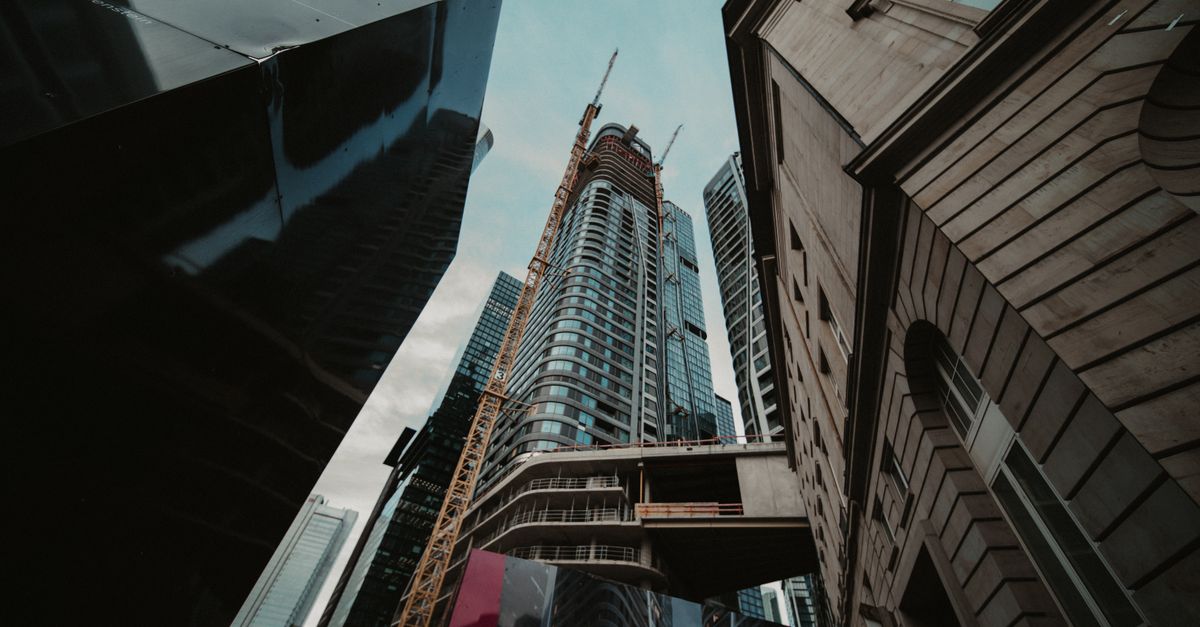
There is a particular kind of energy that settles around a place in the middle of becoming something. Stand near Trinity Mills Station on a weekday morning and you can feel it — the low hum of construction equipment, the skeleton of a structure rising where something older used to be, the sense that the city is writing a new sentence about itself right here, in this specific patch of ground.
That sentence has been a long time coming for this part of Carrollton. For years, the Trinity Mills Station area represented potential more than reality: a DART rail stop with solid bones, a location that connected Carrollton to the broader Dallas-Fort Worth transit network, and surrounding land that seemed to be waiting for someone to take it seriously. In 2026, that wait appears to be ending.
What Is Actually Taking Shape
The development taking form around Trinity Mills Station is being described as a mixed-use urban hub — a phrase that gets thrown around often enough to lose meaning, but which in this case encompasses a genuine combination of uses that Carrollton’s inner core has not historically had in one concentrated place. The project includes Class A office space, luxury residential living, retail, and entertainment components, all organized around a transit node that already connects riders to downtown Dallas and points beyond.
Class A office space is a specific designation in commercial real estate, one that signals modern construction, higher-end finishes, and the kind of environment that competes for tenants who might otherwise look to Plano, Frisco, or Las Colinas. Bringing that caliber of workspace to a transit-adjacent site in Carrollton matters for a straightforward reason: it gives companies a reason to locate here rather than somewhere else, and it gives Carrollton residents a reason to consider working within city limits rather than commuting out.
The luxury residential component fits a pattern visible across the Dallas-Fort Worth metroplex — a recognition that younger professionals and empty-nesters alike are willing to pay for walkable, amenity-rich living situations that reduce car dependency. Placing that housing directly adjacent to a rail station is not incidental. It is the whole logic of transit-oriented development, and it is a logic that Carrollton is now applying in earnest.
Why This Location Carries Extra Weight
Carrollton is not a city that lacks identity. Its Historic Downtown district, its deep roots in the agricultural and rail history of North Texas, its reputation as one of the more ethnically and culturally diverse cities in the region — all of that is real and well-established. But Carrollton has also spent decades organized primarily around the car, like most of its neighboring cities, and the idea of a genuinely walkable urban district has remained aspirational.
Trinity Mills Station offers something most of Carrollton’s geography cannot: a starting point that already has infrastructure. The rail line exists. The station exists. The surrounding land, for all the development pressure that comes with proximity to a transit stop, has remained available for the kind of large-footprint, coordinated planning that piecemeal development never produces.
That coordination is visible in what is being proposed. A project that combines office, residential, retail, and entertainment is not four separate developments happening to share a zip code. It is an attempt to create the conditions for a neighborhood — a place where someone might live, work, eat dinner, and catch a train without touching a car door.
The Broader Development Moment in Carrollton
The Trinity Mills Station project does not exist in isolation. Carrollton is in the middle of a broader development surge that reflects both the city’s own planning priorities and the continued population and economic pressure spreading northward and westward through the Dallas-Fort Worth region.
Carrollton Economic Development has been running a focused retail and restaurant outreach initiative aimed at attracting new investment while supporting existing businesses. That initiative includes work on redeveloping aging retail centers — the kind of older strip-mall corridors that many Sunbelt cities are now wrestling with as big-box anchors depart and the original commercial logic of those centers dissolves.
The combination of transit-oriented development at Trinity Mills and targeted retail redevelopment elsewhere in the city suggests a planning posture that is trying to think about Carrollton’s commercial landscape whole rather than parcel by parcel. Whether that ambition fully materializes is a question that will take years to answer, but the direction is clearer in mid-2026 than it has been in some time.
What Residents Might Notice — and When
Development of this scale does not announce itself with a single ribbon-cutting. It arrives gradually: a fence line that wasn’t there before, then a foundation, then a frame, then a facade, and eventually — sometimes years after the first shovel — the moment when a new building stops looking like a construction site and starts looking like a place.
For Carrollton residents who use the DART Green Line or who live in the neighborhoods surrounding Trinity Mills Station, the most immediate reality of this project is probably the ordinary disruption of a major construction cycle. That is worth acknowledging honestly. Construction-phase development brings noise, traffic pattern changes near work zones, and the temporary visual clutter of a site mid-transformation.
What follows that disruption, if the project delivers on its components, is a walkable district at a rail stop — something that would be genuinely new for Carrollton and that would expand the kinds of daily life the city can accommodate for people who want something other than a purely car-dependent existence.
A City Writing the Next Chapter
Carrollton has always been something of an insider’s city — well-regarded by the people who live there, less visible from the outside than some of its shinier neighbors to the north. The combination of projects now underway suggests that the next chapter of Carrollton’s story is being written in a more visible register, with stakes that extend beyond any single development.
Trinity Mills Station is not a finished thing. It is a bet on what Carrollton can become when it builds at the scale and with the ambition that its transit infrastructure has long made possible. The city is making that bet now, in 2026, and the results will be visible — block by block, floor by floor — for years to come.